The Women Whose Stories We Carry: Women, Memory and African Contemporary Art
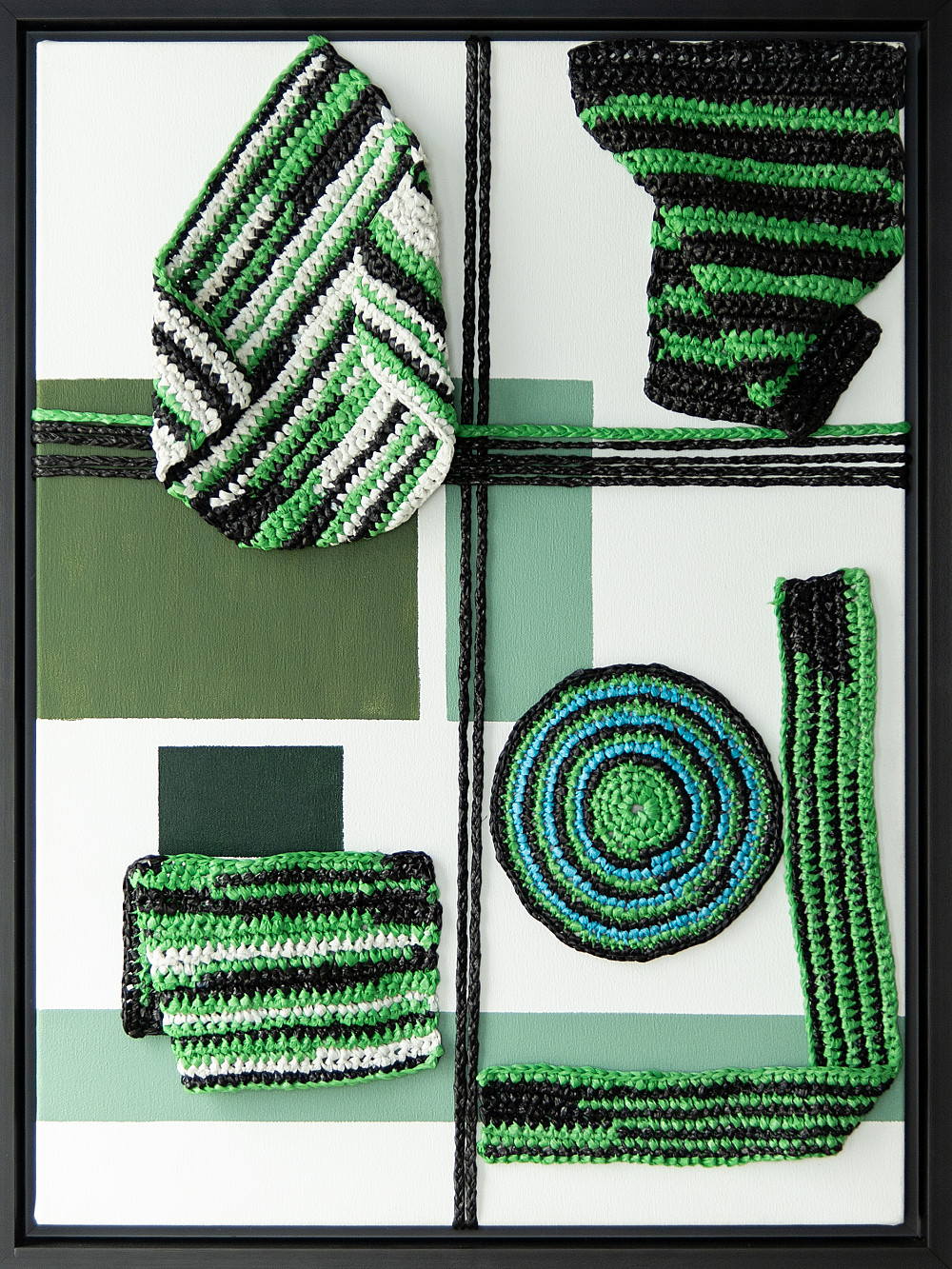
Published 26 August 2026 in Blog
By Nomonde Kananda
There are stories that live in archives, and there are stories that live in the hands of the people who carry them forward. Across Africa, women have always been part of the making, preserving, and reshaping of culture. Today, their voices continue to find expression through contemporary art—challenging ideas, preserving memories, imagining futures, and expanding how we understand the world around us.
Women’s Month offers an opportunity to pause and look more closely at these creative practices. Not simply to celebrate women as a category, but to recognise the depth and diversity of what women are contributing to African contemporary art.


African contemporary art is not one thing. It is a constantly evolving conversation shaped by different histories, cultures, identities, places, and experiences. Within that conversation, women artists are working across an extraordinary range of mediums and approaches. Their practices can be found in painting, sculpture, photography, printmaking, textiles, ceramics, installation, performance, film, sound, mixed media, and digital art.
What connects these practices is not a single subject or aesthetic, but the freedom to explore.


A painting can become an investigation into identity. A sculpture can hold memory in physical form. A photograph can question how we see ourselves and one another. Textile and craft practices can connect contemporary expression to inherited knowledge. Installation can transform an entire space into an experience. Performance and sound can bring the body, voice, and environment into the work.


Contemporary art gives artists the freedom to move between these forms, to combine them, and to create new visual languages.
For many African women artists, this space becomes an opportunity to explore questions of identity, belonging, family, spirituality, memory, place, gender, heritage, and the everyday. But their work cannot, and should not, be reduced to these themes. Women artists are also making work about technology, politics, popular culture, urban life, ecology, abstraction, humour, imagination, and the future.


There is no single way to make art as an African woman.
There is no single story to tell.
And there is no single medium through which that story must be expressed.
This diversity is part of what makes contemporary African art so compelling. Artists are constantly moving between the personal and the collective, the traditional and the experimental, the local and the global. They draw from what has come before while creating forms that belong firmly to the present.
Johannesburg provides a particularly dynamic setting for this exchange. As a city of movement, contradiction, memory, and constant reinvention, it has become an important meeting point for artists, ideas, and creative practices. Across its galleries, studios, and independent creative spaces, artists are questioning what African contemporary art can look, sound, and feel like.
At Asisebenze Art Gallery, we are interested in being part of that conversation.
A gallery is not simply a room filled with objects. It is a space where ideas meet audiences, where artists can introduce new perspectives, and where different ways of seeing can exist alongside one another. It is also a place where we can encounter work that asks us to slow down, look closely, and reconsider what we think we know.
This Women’s Month, we invite audiences to engage with women artists not only through the lens of celebration, but through curiosity.
Look beyond the familiar names. Explore different mediums. Spend time with an artwork that challenges you. Ask what materials, histories, and ideas have gone into its making. Discover the artists working around you and support their practices beyond August.
Buy the work when you can. Attend exhibitions. Share an artist’s work. Bring someone into a gallery for the first time. Start a conversation.
Because supporting contemporary African art is also a way of participating in the culture being created around us.
The women making art today are not simply contributing to a history that will be remembered later.
They are actively shaping the visual, cultural, and intellectual landscape of the present.
Their stories are being painted, sculpted, photographed, woven, performed, filmed, spoken, constructed, printed, projected, and imagined into existence.
And we have the opportunity to witness them.
This Women’s Month, come closer. Look longer. Ask questions. Discover something new.
Visit Asisebenze Art Gallery and experience the many ways women are shaping contemporary
African art, across mediums, perspectives, and possibilities.