What Does African Contemporary Art Even Mean?
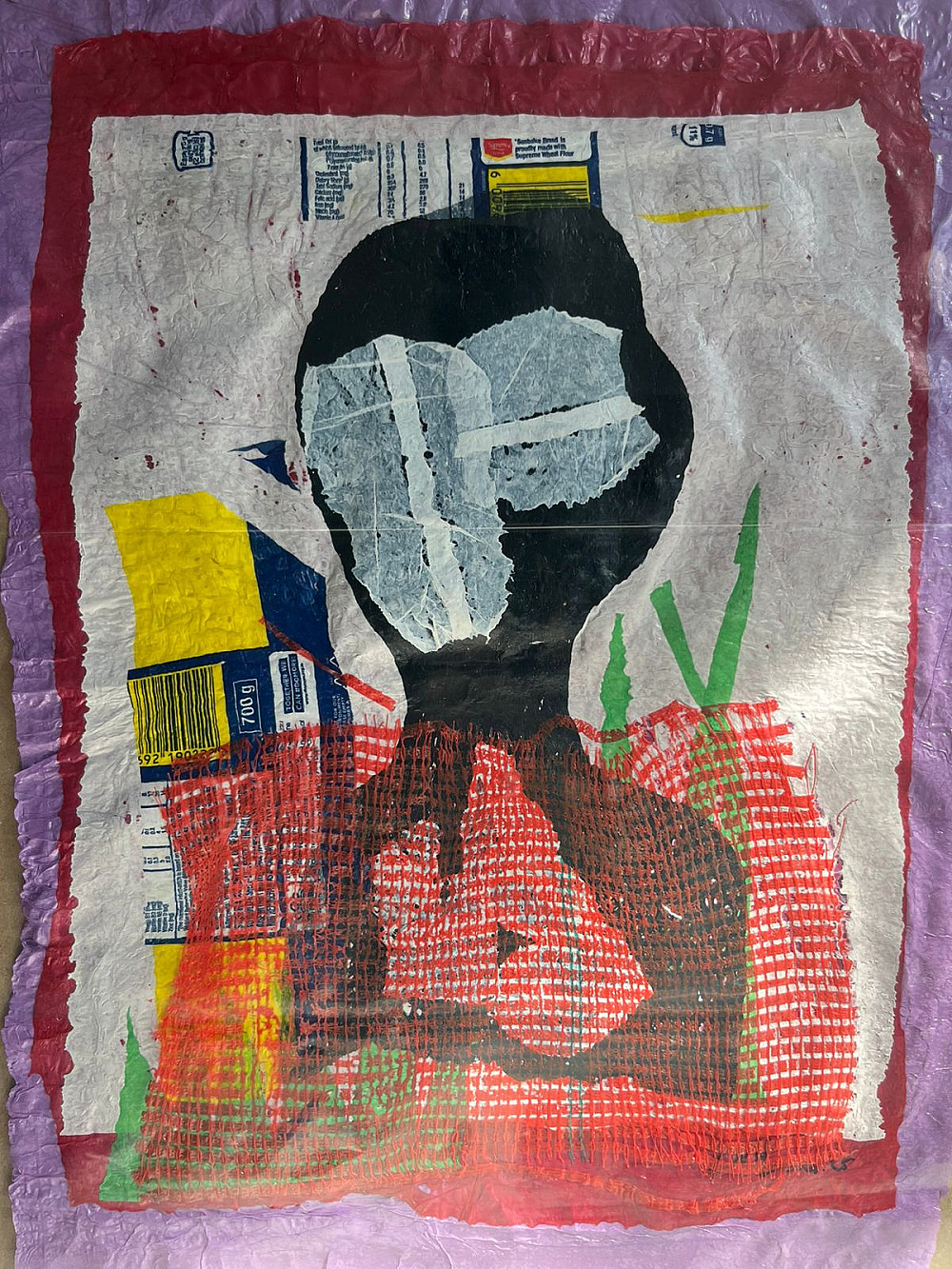
Published 30 September 2026 in Blog
By Nomonde Kananda
The phrase “African contemporary art” is everywhere. It appears in gallery programmes, museum exhibitions, auction catalogues, art fairs, academic writing, funding applications and conversations about the global art world. At first glance, it seems straightforward: contemporary art made by artists from Africa.
But is it really that simple?
Columns #1

Columns #2

What happens when an entire continent, with its many countries, languages, histories, cultures, identities and artistic traditions, is gathered under one label? The question is not whether the term African contemporary art is useful. It often is. It can create visibility, open doors, build networks and help audiences discover artists whose work might otherwise remain overlooked. But it is also worth asking what gets lost when such a broad category becomes the primary way we understand an artist and their work. Africa is not a single experience. An artist working in Johannesburg may be responding to urban life, migration, memory, popular culture, spirituality or the complexities of post-apartheid South Africa.


An artist in Nairobi may be exploring entirely different social, political or personal landscapes. Someone working in Lagos, Accra, Addis Ababa, Dakar or Maputo brings another set of histories and lived experiences. Even within one city, no two artists necessarily share the same relationship to place. Yet the international art world sometimes approaches African art as though the continent itself is the subject. This raises an important question: Are we looking at the work, or are we looking for “Africa” within the work?
Categories are not neutral. The words we use to describe art can influence how it is presented, who encounters it, where it is exhibited, how it is marketed and, ultimately, how it is valued. Calling an artist “African” may provide context and visibility. But it can also become a shortcut through which audiences expect certain themes, aesthetics or narratives: tradition, identity, colonialism, community, spirituality, ancestral memory, political struggle and resilience. These subjects are undoubtedly present in many artists' practices.
But they are not the entirety of contemporary African artistic expression. African artists can make abstract work. They can make conceptual work. They can be playful, surreal, minimal, experimental, deeply personal or completely detached from questions of continental identity. They can make work about heartbreak. About technology. About fashion. About architecture. About nothing in particular. And perhaps that freedom is important. There is another layer to the conversation: who creates the categories in the first place?
For decades, African art has been interpreted through institutions, markets and cultural frameworks that have not always been created by African artists themselves. This has shaped not only how art from the continent is exhibited, but also how it is collected, discussed and assigned value. The contemporary art market can benefit from recognisable categories. Institutions can use them to organise exhibitions and collections. Audiences can use them as entry points into unfamiliar artistic landscapes. But a category designed for convenience can become restrictive when it begins to determine what an artist is expected to be. There is a difference between saying this artist is from Africa and saying this artist's work must be understood primarily through Africanness.
That distinction matters. Perhaps the answer is not to abandon the term altogether. Perhaps we simply need to become more conscious of how we use it. Instead of asking only, “What makes this African art?”, we might ask: What is this artist saying? Where are they speaking from? What histories, experiences or ideas inform the work? Who is the work speaking to? And what happens when we allow the work to exist beyond the expectations attached to its geography?
These questions do not erase context. In fact, they make room for more of it. Being African can be an important part of an artist's identity and practice. But it does not have to be the only lens through which their work is understood. Perhaps “African contemporary art” is not a fixed definition at all, but a constantly shifting conversation — one shaped by artists, communities, institutions, markets and audiences. And perhaps the most useful thing we can do is keep questioning the language we use to describe it. Because sometimes, before we can really see the art, we have to examine the words we have been given to see it through.